
Wildfire Planning
WILD FIRE PREPAREDNESS
TARGET: ALL OAKRIDGE RESIDENTS
BACKGROUND: Current 2015 drought conditions have created a potentially hazardous fire environment which impacts our community with risks to property and humans alike. We have been encouraged to take by immediate precautionary steps to minimize these risks.
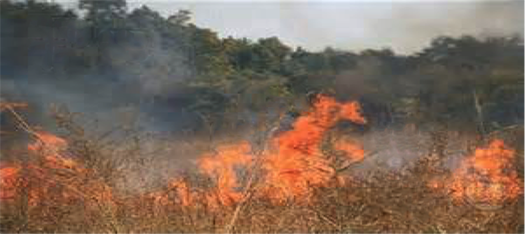
EXAMPLE: THIS IS brief SIMULATED script that gives credence to our current situation. At approximately 3:30 PM a grassfire is reported in Saddleback Community west of Oakridge. Several SRVFD are crews are dispatched. Other East Bay grass fires are also being reported; hence marginalizing the response time and availability professional fire teams. High winds fuel the flames which rapidly spread up the hill in the direction of Oakridge. Wild oak trees catch fire at the top of the crest burst into fireballs raining sparks down upon the dry grass hollow behind Oakridge. Thick smoke blankets Oakridge area making it difficult to see and breathe.
INDIVIDUAL PREPARATION: The San Ramon Valley Fire District has published the following Exterior Abatement Standards Hazards “to do” checklist.
- Clear 100 ft. of defensible space in and around all structures including needles, sticks and leaves from rooftops and gutters.
- Cut tree limbs at least 5 ft. from the ground.
- Remove branches at least 10 ft. from roofs and chimneys.
- Keep wood piles 50 ft. from the house.
- Store propane tanks at least 10 ft. from the house.
- When doing outdoor maintenance, obey the following rules:
- Check the weather before performing abatement. If temperatures are high, winds are strong and humidity is low, choose another day.
- Never abate on a Red Flag Hazard Day. All local radio & TV stations will announce Red Flag Hazard Day warnings.)
- Wet down areas you wish to abate if possible.
- Cut weeds before 10 am.
- Do not use a lawn mower to cut tall grassy areas.
- Have a garden hose, water and/or a fire extinguisher handy when you abate.
- In the event of a fire, call the fire department (911).
Additional suggestions for your preparation.
- Have an open and candid discussion with all family members about the threat associated with a wild fire. There are many uncertainties, but make your concerns known especially to children and seniors. Consider those with physical issues (i.e. respiratory, homebound, seniors... including pets).
- Store shovels, rake, hoe and gloves in a location that is easily and safely accessible in the event YOU can safely suppress small spot fires around your home.
- Protect your skin by wearing a long sleeve shirt, long pants, boots (no sneakers). It’s advisable to have a pair of goggles, scarf (or face mask) and bottled water handy.
- Two way radios are good to keep handy. They will be used to broadcast fire information within Oakridge on either Channels 2 or 3 conditions permitting.
- Program your cell phones with the names/cell #’s of your Oakridge Emergency Response Team (EMT). Contact ltgoetz@yahoo.com for the numbers.
- Make sure that your house address is clearly visible day and night for EMT response teams.
- Keep a fully stocked First Aid Kit handy. Refer to the EMERGENCY PREPAREDNESS GUIDE on this web site or more Kit details.
COMMAND & CONTROL: We will make every reasonable effort to staff our Oakridge Emergency Command Center in the event of a wildfire but this may not be possible if conditions become unsafe. If the Center can be activated for local control purposes, its location will depend on the safety of the staff. Oakridge staff representatives will take reasonable steps to help managethe following:
- Monitor fire conditions, direction and threat through SRVFD approved communications channels.
- Broadcast informational updates, when possible, to residents using two way radios on either Channels 2 or 3.
- Attempt to provide basic first Aid & logistical support.
- Dispatch available Oakridge Search & Rescue teams.
- Create a volunteer pool of residents to assist Search & Rescue.
EVACUATION: If it becomes necessary to evacuate families from Oakridge, residents will strictly obey the direction from local fire and police authorities. Options could include:
Priority #1. Proceed to Blackhawk golf course (safe fairway green areas) by foot, bicycle or golf cart transportation. Remain there until further advised. Automobile transport is not recommended.
Priority #2 Proceed to Blackhawk Plaza and remain there until further
advised. Automobile transportation not recommended.
If Oakridge must evacuate, consider the following:
- Your family (particularly the homebound, seniors and those with impaired health conditions especially respiratory)
- Pets
- Bottle water (It could be a hot day)
- Prescription medicines
- Extra pocket cash.
- Proper clothing protection. (No shorts, short sleeves, etc)
- A “GO KIT” with 2-6 above)
TREATING BURNS:
Only professional EMT response teams and /or Certified Emergency Response Teams may administer victim 2nd and 3rd degree life threatening burns. Volunteers without proper training should not treat 2nd or 3rd degree burns.
Trained Oakridge CERT members (if available) may, at their discretion, treat
1st degree burns victims. The 1st degree burn characteristics include reddened dry skin, pain and swelling.
1st. Treatment starts with cooling (not icing) affected burn skin areas and/or
clothing. With swimming pool or jacuzzi available gently lower victim in
cool water for one minute only. Caution not to touch affected burn area.
2nd Locate CLEAN towels or first aid compresses. Carefully lay moist clean
towels /compresses on fire wound area. This will minimize air and possible
body infection.
2nd. Elevate burned extremities higher than the heart. Lay victim on the ground
and elevate the affected body area.
3rd. Do not use ice. Ice will cause vessel blood flow constriction.
4th. Recommend you not use any antiseptics, ointments or other over-the-
counter remedies.
5th. Do not remove shreds of tissue, blood caked clothing, blisters or extreme
dirt. This may only cause victim to bleed and cause shock.
End